Senior Living Archives – Page 3 of 15 – Varsity Branding

Tag: Senior Living

Wellness in senior living is not a checklist. It’s personal, it changes over time and it’s shaped as much by connection and purpose as it is by health metrics.

That theme drove a recent conversation on Varsity’s weekly Roundtable with Kyle Robinson of Wellzesta, an all-in-one engagement platform that connects residents, staff and families while supporting wellness and day-to-day communication. Kyle shared practical ways to think about engagement as part of both the resident experience and the prospect journey. Below are a few Fresh Perspectives from her discussion.

WELLNESS ISN’T A PROGRAM — IT’S A PERSONALIZED JOURNEY

Wellness showed up repeatedly as something deeply individual and constantly evolving. It’s not about checking boxes or showcasing amenities, but about understanding what matters to each person and meeting them there, across physical, social, emotional and environmental dimensions.

SOCIAL CONNECTION MAY BE THE MOST UNDERRATED HEALTH DRIVER IN SENIOR LIVING

While physical wellness often gets top billing, socialization emerged as a cornerstone of longevity, happiness and cognitive health. The contrast between Babo and Mimi made it clear: connection, purpose and engagement can radically shape how people age, even in similar environments.

DATA ONLY MATTERS IF IT TELLS A HUMAN STORY

Metrics on their own aren’t compelling. What makes them powerful is how they help communities explain what life actually feels like, what’s working and where residents are thriving or drifting. Used well, data becomes a storytelling tool for residents, prospects and staff alike.

TECHNOLOGY WORKS BEST WHEN IT AMPLIFIES AUTONOMY, NOT CONTROL

The most effective tech wasn’t framed as something staff “manage,” but something residents use to explore, connect and lead their own experiences. From wellness scoring to AI-powered interest matching, the shift is toward enabling choice and self-direction.

CARE TRANSITIONS CAN QUIETLY ERODE IDENTITY IF CONNECTION ISN’T PROTECTED

Mimi’s move to a higher level of care revealed a subtle but important truth: even when physical needs are met, changes in routine, environment and social engagement can affect how someone feels about themselves. Supporting identity and connection during transitions is just as critical as clinical care.

STAFF WELLNESS AND RESIDENT WELLNESS ARE DEEPLY LINKED

The conversation widened to include staff burnout and personal well-being, acknowledging how much caregivers and teams give every day. Supporting wellness isn’t just about residents, it’s about sustaining the people who make community life possible.

Varsity’s Roundtable is a weekly virtual gathering of senior living marketers and leaders from across the nation. For updates about future weekly Roundtable gatherings, submit your name and email address here

QUOTES

“We have been fed a steady diet of inaccurate information about growing older, and that information is that it’s all decline. And the truth is in the literature that there are many things that get better as you get older. We don’t care as much what people think about us, we appreciate our connections more, and we have greater potential for problem solving.” (Dr. Burnight)

“I’ve just been amazed by, like, who would think that a book on aging would become a New York Times bestseller? I mean, that’s where people are in recognizing these 100-year lives and recognizing that the status quo is not sufficient.” (Dr. Burnight)

“There were times where I had my head down on the keyboard crying because it was so hard because I wanted to bring in all the research, but I also wanted to make it really readable. And so I just kept thinking, simplify, simplify.” (Dr. Burnight)

“When I realized that the American Psychological Association defines joy as well-being and satisfaction, it made me realize that joy isn’t this like happy, happy, you know. It’s the opposite of toxic positivity.” (Dr. Burnight)

“What they said is that happiness is often circumstantially dependent, whereas joy can exist even in challenge because it’s an inside out phenomena. And that was an ah-ha moment for me.” (Dr. Burnight)

“I don’t know any older adults who haven’t had significant challenges. That is the nature of being a human. And we’re going to have those challenges. So it isn’t that we’re going to control for everything. That’s impossible. It’s that we’re going to find a way to have joy anyway.” (Dr. Burnight)

“What the research shows us is that genetics predicts between 13% and 25% of our aging experience. So the vast majority is up to us.” (Dr. Burnight)

“One utterly suffered, and it was such a rough road, and it was really hard to be around her. And then the other one had found this ability to be content, and we couldn’t get enough of her… we watched that it is possible to walk with grief and joy.” (Dr. Burnight)

NOTES

Dr. Kerry Burnight is a nationally recognized gerontologist, author, speaker and advocate with more than three decades of experience working with older adults and families. Her work focuses on aging, joy, well-being, elder abuse prevention and redefining longevity beyond decline.

Dr. Burnight is the author of JoySpan, a New York Times bestseller that reframes aging by emphasizing joy, adaptability and meaning alongside lifespan and healthspan. She is also a co-founder of the Elder Abuse Forensic Center and a leader in research-driven aging policy and practice.

Joy is not fleeting happiness but a deeper sense of well-being that can coexist with hardship and challenge.

Genetics play a smaller role in aging outcomes than commonly believed, with most of the aging experience shaped by behavior and mindset.

Joy and well-being can be intentionally built through daily practices, much like physical health.

People who thrive in long lives consistently invest in growth, connection, adaptability and contribution.

Aging is not solely defined by decline; many cognitive, emotional and relational strengths improve with age.

Gratitude and attention shape perception, influencing both mood and social connection.

Loneliness is best addressed through proactive effort, including initiating relationships rather than waiting to be invited.

Society, policy and senior living environments must move away from infantilizing older adults and toward dignity, choice and purpose.

The following is a guest blog entry from Larry Carlson. Larry is an advisor, board member, and author of Avandell: Reimagining the Dementia Experience. A longtime CEO in senior living, he now writes and speaks about helping older adults finish strong — living with purpose, vitality, and impact in their third age.

————-

When Margaret toured the community, she wasn’t looking for a swimming pool or a dining venue. She was searching for something she couldn’t quite name — a place that felt alive.

“I don’t want to just move somewhere,” she said. “I want to belong somewhere.”

That line stopped me cold. Because in those few words, Margaret captured the emotional core of every senior living decision. Beneath the surface questions about cost, care, or square footage lies something deeper: What will this next chapter make possible?

From Transaction to Transformation

For years, our industry has measured success by occupancy numbers, conversions, and closing ratios. But older adults aren’t just customers — they’re people navigating one of life’s most personal transitions.

Today’s generation doesn’t want to be sold a lifestyle; they want to be guided toward a renewed sense of purpose, belonging, and vitality. That shift — from selling units to guiding journeys — changes everything. It calls us to approach marketing not as persuasion, but as partnership.

Start with Empathy

Guiding begins with listening. It’s about asking deeper questions:

• What does thriving look like for you now?
• What do you still want to contribute or experience?
• What would make this move feel meaningful — not just comfortable?

When we pause long enough to hear the story behind the inquiry, we stop trying to fill vacancies and start helping people envision a future they can believe in. That’s when trust forms — and when connection turns into commitment.

Purpose Is the New Differentiator

Amenities can be copied. Purpose cannot. Communities that help residents connect their gifts and passions to something larger than themselves stand out in a crowded marketplace. They become places where:

• Residents lead, not just attend.
• Marketing highlights impact, not just activities.
• Staff speak the language of mission, not just service.

When marketing reflects that kind of authenticity, it attracts more than prospects. It inspires teams and reminds everyone why this work matters.

A New Kind of Conversation

The next time you sit down with a prospective resident, listen not for what they want, but for who they’re becoming. Because what we’re really offering isn’t just a new address — it’s a new beginning. We’re not helping people move in; we’re helping them move forward.

Closing Thought

Selling fills units.
Guiding changes lives.

When we reframe our role from closing deals to opening doors of purpose, we honor both the people we serve and the calling behind this work. That’s what finishing strong looks like — for residents, and for all of us who serve them.

About the Author

Larry Carlson is an advisor, board member, and author of Avandell: Reimagining the Dementia Experience. A longtime CEO in senior living, he now writes and speaks about helping older adults finish strong — living with purpose, vitality, and impact in their third age.

The following is a guest blog entry from Larry Carlson. Larry is an advisor, board member, and author of Avandell: Reimagining the Dementia Experience. A longtime CEO in senior living, he now writes and speaks about helping older adults finish strong — living with purpose, vitality, and impact in their third age.

————-

Dave slid into the booth across from me at a diner just off the interstate. He wrapped his hands around the coffee mug, stared at it for a long moment, and finally said, “I thought retirement would feel free. But most days… I just feel numb.”

I set down my fork and asked, “What’s going on?” “It’s not money,” he said. “We’re fine there. It’s just… I’ve drifted into a routine. Golf. TV. A few volunteer things here and there. But it feels like I’m just filling time — not really living it.”

That conversation has stayed with me for years because Dave’s story is not unusual. In fact, it’s a warning. Many people enter their later years expecting a sense of freedom but instead discover the subtle pull of drift. That quiet drift — the slow slide into comfort without real purpose — is what I call coasting. It’s the opposite of finishing strong.

WHY THIS MATTERS IN OUR FIELD

If you work in senior living, you see this reality every day. Many older adults enter a new chapter of life without a clear sense of purpose. They’ve achieved career milestones, raised families, and handled responsibilities… but now they’re unsure what comes next. As marketing and sales professionals, you’re not just presenting floorplans and amenities. You’re often the first person who can help them see the possibility of a meaningful next chapter.

THE HEART OF FINISHING STRONG

Finishing strong isn’t about staying busy or packing in more activities. It’s about:

  • Choosing purpose over drift
  • Nurturing relationships over routines
  • Building vitality — not just longevity
  • Continuing to contribute rather than retreat

For many of the people you serve, that requires re‑imagining what their next chapter can look like — a vision that includes both community and purpose.

THE MARKETING OPPORTUNITY

Here’s the reality: most prospective residents (and often their adult children) aren’t ust looking for a safe place to live. They’re searching — sometimes without even realizing it — for a reason to keep leaning forward. That’s especially true for the new generation of older adults. Many of them spent their lives leading businesses, shaping organizations, or building teams. When they move into a community, they’re not looking to be merely entertained. They want to continue living with influence and impact — to use their experience and gifts in ways that matter.

For communities, that shift is both a challenge and an opportunity. It means going beyond programs and amenities to create meaningful ways for residents to contribute — helping them live out their legacy while strengthening the community as a whole. When your conversations and messaging speak to that deeper need for purpose and impact — not just features — it resonates. You’re no longer simply selling; you’re helping them envision a future they can invest themselves in.

A QUESTION WORTH ASKING

So here’s the challenge — for those you serve and for ourselves as well: Are we coasting or are we finishing strong? That single question can spark a shift — in a prospective resident who feels adrift, or in a professional who’s been running hard but hasn’t paused to think about what really matters in the long run.

CLOSING THOUGHT

Every conversation you have as a marketing or sales professional can be more than a transaction. It can be an invitation — to live with purpose, to stay engaged, to finish strong. Helping people see that possibility is one of the most meaningful contributions you can make in this field.


When it comes to retirement, most people spend years planning their finances—but far less time planning where they’ll live. Yet “place” plays just as big a role in well-being as savings or investments. Where you live influences health, happiness, and independence, which makes it a critical (and often overlooked) part of financial planning.

That’s why Meg Stoltzfus, LCPC, and Lydia Durski, CFP®, from Financial Council, are rethinking how advisors help clients plan for the future. During this week’s Roundtable, they shared how “place planning” brings a human-centered lens to retirement decisions, integrating emotional, social, and lifestyle factors into financial strategy. The result is a more complete picture of what it truly means to live well in the years ahead. Below are a few Fresh Perspectives from their discussion. 

HUMAN-CENTERED DIFFERENTIATION

Financial Council didn’t create its navigation program as a marketing tactic, it was born from a genuine need to help clients make better life decisions. That authenticity has become a powerful differentiator in a crowded marketplace.

GUIDED DECISION-MAKING

Clients often default to staying at home simply because they don’t understand all the options. Acting as an unbiased guide, Meg helps them define goals, weigh choices, and move from reactive to proactive planning.

THE VALUE OF “PLACE PLANNING” 

Instead of focusing solely on housing, the firm uses place planning—factoring in health, finances, and social connections—to help clients envision where and how they want to live across different stages of retirement.

A ROLE BEYOND FINANCE 

Meg’s position is rare in financial services but likely to grow. By combining counseling expertise with financial planning, she brings a uniquely human layer that technology or AI cannot replicate.

PARTNERSHIPS THAT BUILD TRUST 

Senior living communities, care managers, and financial advisors can be stronger together. Building these relationships provides clients with holistic, unbiased guidance and strengthens trust across all sides.

Varsity’s Roundtable is a weekly virtual gathering of senior living marketers and leaders from across the nation. For updates about future weekly Roundtable gatherings, submit your name and email address here

Every great story starts with someone worth caring about. On Varsity’s Roundtable Talk, documentary filmmaker Peter Murphy Lewis shared how his series People Worth Caring About gives voice to the caregivers whose compassion and commitment define long-term care communities across the country.

Peter shared how his grandparents’ positive experiences in senior living inspired his work and why focusing on staff stories helps shift public perception. He recalled moving encounters in hospice, lessons about dignity and language, and how storytelling can inspire young people to see caregiving as a calling.

The following are some fresh perspectives from the conversation. Check out the full episode here

WHAT INSPIRED YOU TO CREATE “PEOPLE WORTH CARING ABOUT”?

It was a personal story that started it. When I began working in long-term care, I realized caregivers were fighting against a negative perception that existed even before COVID and was made worse by the pandemic. My own grandparents had incredible caregivers — people who treated them with love and dignity. But those caregivers rarely get the recognition they deserve. I wanted to change that narrative.

WHY DID YOU CHOOSE TO FOCUS ON STAFF STORIES RATHER THAN RESIDENTS?

My background helped shape that decision. I used to host a TV show in South America similar to Dirty Jobs, where I interviewed people doing hard, meaningful work. So when I started this project, I naturally focused on caregivers. Looking back, that choice was “accidentally strategic.” When you put caregivers front and center, people don’t criticize — they empathize. You can’t look at someone like LaVita, who’s worked in memory care for 30 years, and not feel admiration.

WAS THERE A MOMENT THAT MADE YOU REALIZE YOU WERE ONTO SOMETHING SPECIAL?

Yes, on the very first day of filming in Nebraska. We visited a hospice called the Grace Space. One of the residents, Kim, was nonverbal, but she communicated with her CNA, a young man about 19 or 20, through her phone. She wrote that she felt blessed to have him caring for her and that she was excited to go to heaven, where she could dance again. That moment showed me how deep these relationships go — and I knew right then we weren’t just making a short film. We had a full season’s worth of powerful stories.

HOW DO CAREGIVERS STAY GROUNDED IN SUCH EMOTIONALLY DEMANDING WORK?

They’re stronger than I am. I think a lot of them have a love language rooted in service — they feel fulfilled by doing things for others. They find purpose in making people feel valued and comfortable. It’s not easy, but they have this incredible ability to compartmentalize and keep giving. Their hearts are built for it.

WHAT KIND OF IMPACT HAS THE SERIES HAD ON THE INDUSTRY?

The feedback has been incredible. Leaders from the American Healthcare Association called it an authentic depiction of long-term care. State associations are even using clips for advocacy — geofencing them around the U.S. Capitol so lawmakers see them. They’re also using the series for fundraising and to show the real faces behind the work. The reactions from caregivers themselves, and even my own father’s emotional response at the premiere, reminded me why this storytelling matters.

Want to hear more from Peter? Check out the full episode of Roundtable Talk for more fresh perspectives. Watch new episodes of Roundtable Talk on the Varsity website and on Apple Podcasts, Spotify, and iHeartRadio.

QUOTES

“Caregivers were fighting against a negative perception, a negative narrative, a negative reputation that started before COVID but was accentuated during COVID by bad media.” (Peter)

“These people that were great caregivers don’t get the recognition that they deserve.” (Peter)

“If you put the caregiver at the front, nobody’s going to criticize a caregiver.” (Peter)

“People think of CNAs as cleaning bathrooms and changing diapers. They don’t realize how beautiful it is in the relationship that you get to make.” (Peter)

“Stories are pretty much the only thing that can change our opinion in life. Documentaries do it better because they’re long enough to show the contradictions of humankind.” (Peter)

“They just have a mechanism where they can compartmentalize and feel fulfilled making other people feel great through their acts of service.” (Peter)

“What a badge of honor if the nursing home is so great that your resident brings in the caregivers, recruits their own family.” (Peter)

“I love being forced to learn something that corrects where I was wrong.” (Peter)

“Curiosity is not just part of my personality—it’s an attribute I should strive for and that humans should strive for.” (Peter)

“Almost everything has been because of tears. There were moments where we just held each other’s hands and sobbed for minutes while the cameras kept rolling.” (Peter)

NOTES

Peter Murphy Lewis is a documentary filmmaker, storyteller, and advocate who co-created People Worth Caring About, a podcast and video series spotlighting frontline caregivers in long-term care communities across the United States.

People Worth Caring About shares authentic, heartfelt stories of caregivers working in retirement and long-term care communities. Through podcasts and a multi-part documentary series, the project elevates unsung heroes, challenges stereotypes, and helps shift the public narrative around aging and caregiving.

Peter began his career in long-term care in 2020 and later became a CNA to better understand the field. Drawing from his background in South American television, he adapted his storytelling format to senior living, resulting in a growing series now available on smart TVs nationwide. The project has expanded beyond Nebraska to states like Ohio and New Mexico, with more seasons in the works.

Peter was motivated to create the series after seeing caregivers struggle with negative perceptions of long-term care.

His grandparents’ positive experiences in a nursing home inspired him to spotlight caregivers who rarely receive recognition.

By focusing on staff instead of owners or executives, the series avoids criticism and builds empathy through authentic caregiver stories.

Filming in hospice revealed the deep, life-affirming relationships between residents and young caregivers.

Stories like Kevin calling his nursing home “my home” challenged Peter’s own assumptions about language and dignity.

Intergenerational and family-based caregiving, from Subway recruits to residents’ grandchildren, shows the community power of senior living.

Peter believes documentaries shape narratives because they’re long enough to show the contradictions of human nature.

His hope is to continue expanding the series to more states, changing perceptions of caregiving while also inspiring young people to join the field.

At our latest Sales and Marketing Roundtable, we welcomed Mary Jane Fitts of Greystone Communities for a conversation that brought the resident perspective front and center. Mary Jane shared stories and insights directly from residents of three Greystone communities, giving us an authentic look at what matters most to those who’ve already made the move.

From choosing a community early to navigating finances, weighing lifestyle benefits, and looking ahead to the expectations of future residents, the discussion shed light on the real decision-making process. The residents’ voices underscored both the opportunities and challenges senior living providers must address to build trust and deliver meaningful value.

CHOOSING EARLY IS EMPOWERING

Residents stressed the value of moving before you’re forced by circumstance. Making the decision proactively allows for more choice, better planning, and peace of mind, instead of scrambling after a crisis.

BALANCING COST WITH LONG-TERM VALUE

While buy-ins can feel steep, residents pointed out tax benefits, financial strategies, and cost trade-offs that make CCRCs or Life Plan Communities more attainable. The real return is stability, access to care, and the freedom from unexpected expenses down the road.

COMMUNITY AS A LIFESTYLE UPGRADE

Beyond care, CCRCs and Life Plan Communities offer enrichment: lifelong learning, social connection, and plenty of activities. Residents emphasized that communities aren’t about “old people” but about staying active, engaged, and supported at every age.

RESPONSIVE, TRANSPARENT SALES MATTER

Positive experiences came from communities with open communication, quick follow-ups, and honest options. In contrast, for-profit facilities with turnover, rising costs, and poor service left negative impressions. Transparency builds trust.

FUTURE RESIDENTS WILL BE YOUNGER AND TECH-SAVVY

The next wave of residents will expect technology to be woven into daily life. Flexible contracts and innovative service models will also be essential to attract and reassure this younger demographic.

Varsity’s Roundtable is a weekly virtual gathering of senior living marketers and leaders from across the nation. For updates about future weekly Roundtable gatherings, submit your name and email address here

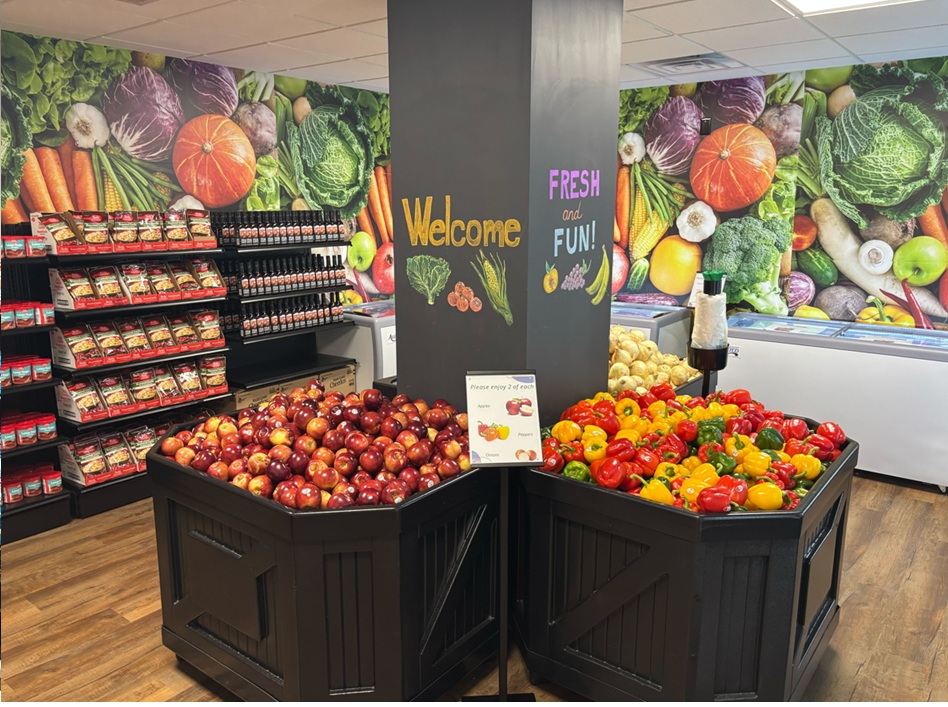
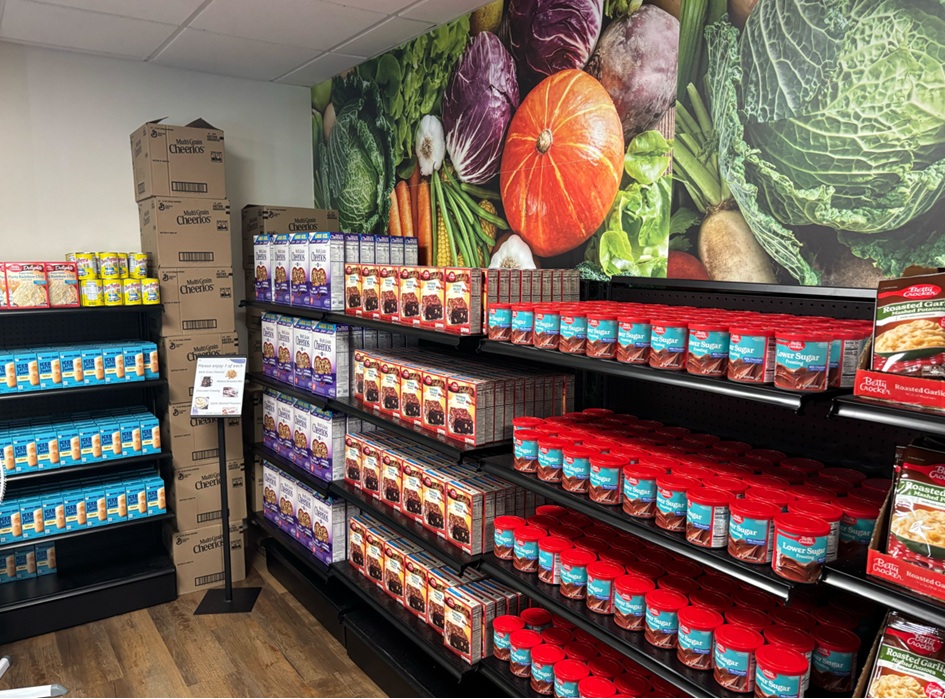
When Jewish Home of Rochester opened the doors to its new employee grocery store, it wasn’t simply about stocking shelves with food, it was about restoring dignity, reducing stress, and strengthening community. Designed to look and feel like a traditional grocery store, the space is reserved exclusively for employees who qualify based on income guidelines, offering them a private, welcoming place to access healthy, high-quality groceries at no cost.

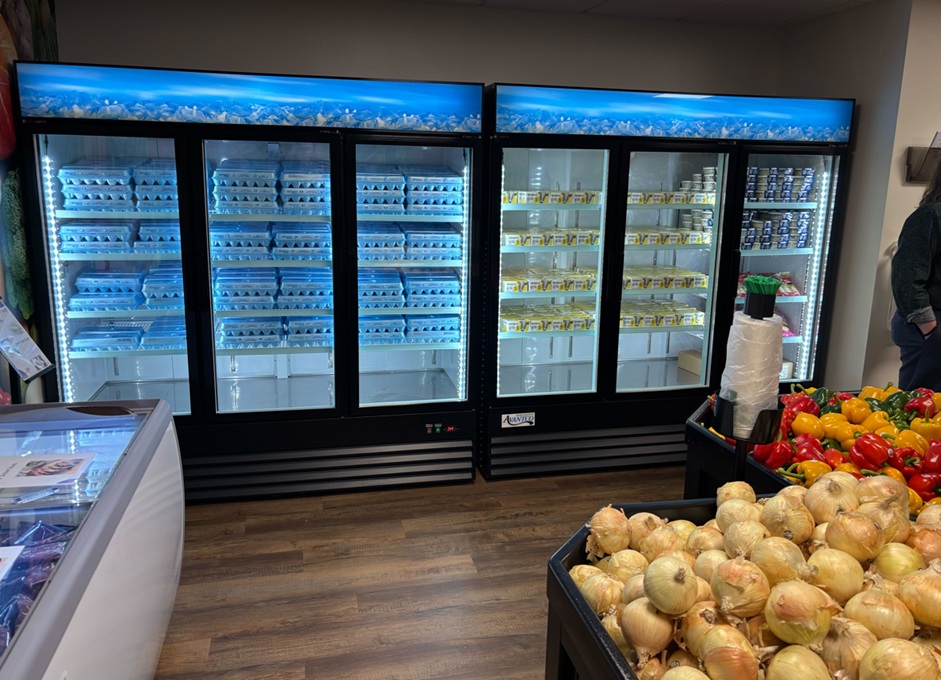
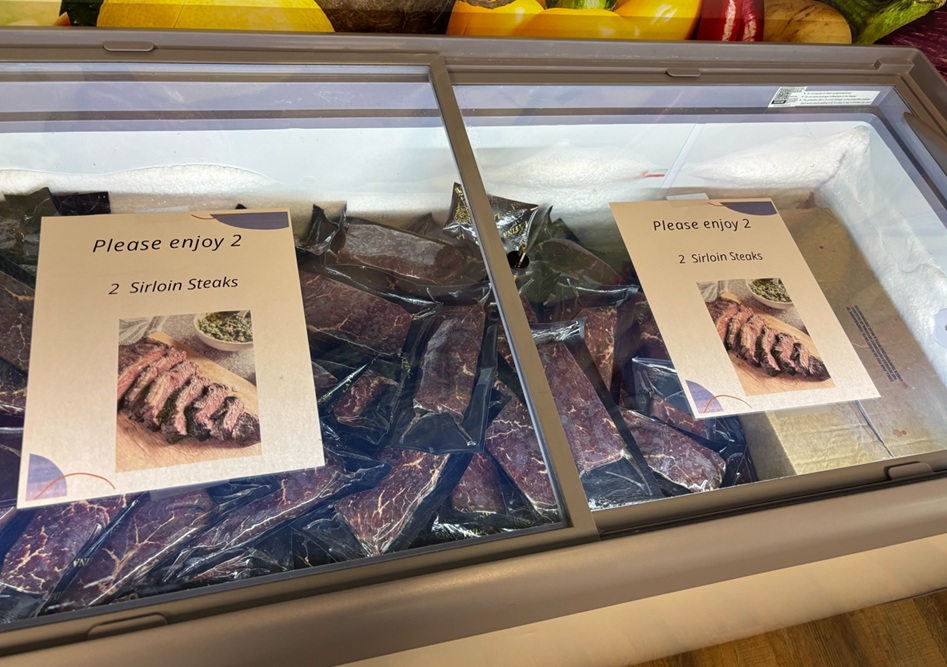
The store is open twice a month and allows qualifying employees to fill two reusable tote bags per visit with essentials like fresh produce, meat, dairy, and staples. It’s not a food pantry, it’s a dignified extension of the organization’s values and an innovative approach to workforce support.

Jewish Home President & CEO Mike King and Jewish Home Foundation Executive Director Tom McDade Clay see the store as more than a charitable gesture, it’s a strategic investment in employee well-being, recruitment, and retention. “We’re not solving food insecurity,” said Tom. “But we are taking a bite out of it. And if you can do something, you’re morally obligated to do something.”

We sat down with Mike and Tom to learn more about the store’s design, its impact, and how other organizations might follow suit.

WHAT INSPIRED YOU TO OPEN AN EMPLOYEE GROCERY STORE?

We learned about a similar program from a partner organization in Boston through the Association of Jewish Aging Services (AJAS). It got us thinking – what could we do to support employees who are food insecure? In our industry, many frontline workers are in lower wage bands. Even if salaries were higher, those dollars often go toward housing or transportation. Food insecurity remains. We saw an opportunity to help, even if we couldn’t solve the entire problem.

HOW DID YOU ENSURE THE STORE FELT DIGNIFIED AND WELCOMING?

From day one, we intentionally called it a grocery store, not a pantry or cupboard. We wanted to create a space that felt like any other neighborhood market. It’s tucked in a private area near the cafeteria and HR, places employees already frequent, so it feels comfortable. The design mirrors a real store with freezers, shelves, branded grocery totes instead of plastic bags, and feedback from employees about what products they want and how things are displayed.

WHO IS ELIGIBLE TO SHOP AT THE STORE, AND HOW DO YOU MANAGE ACCESS?

Eligibility is based on income, aligned with adapted federal poverty guidelines. Qualified employees receive a card, which they show each visit. We have someone stationed there, not just to check cards, but to act as a retention specialist, helping connect staff with other resources and support. It’s not meant to be intrusive, it’s about care and connection.

HOW IS THE STORE FUNDED AND STOCKED?

We have a relationship with a food distributor who provides us with healthy, affordable products through philanthropic pricing. On the funding side, we’ve received grants and individual donations. Some donors continue to give to our general fund and also see the grocery store as an additional way to help—”I can’t solve food insecurity, but I can buy a bag of groceries.” It’s a compelling message that resonates.

WHAT ADVICE WOULD YOU GIVE OTHER ORGANIZATIONS CONSIDERING SOMETHING SIMILAR?

Don’t overthink it. You’re not trying to end food insecurity, you’re doing what you can. If you can open once a month, do that. If you can do more, great. Just be intentional, make it sustainable, and focus on the dignity of those you’re serving. The ripple effect is real—less stress for employees leads to better care for residents, and that’s a win all around.

At our latest Sales and Marketing Roundtable, we welcomed Bob Kramer—co-founder of NIC and founder of Nexus Insights—who’s known as a “disruptive force” in senior living. Bob urged us to challenge stereotypes about aging and reframe it as an aspirational stage of life filled with purpose and possibility.

He shared insights on the dangers of ageism, the value of older adults as problem solvers, and the growing demand for personalized, engaging communities. His message was clear: senior living isn’t just about adding years, it’s about helping people thrive in them.

SHIFT FROM AVOIDANCE TO ASPIRATION

Embrace the transition from offering “avoidance products” to “aspirational products” in senior living. Focus on enhancing the quality of life and wellness over mere longevity, fostering environments that encourage engagement and purpose for those in their 60s, 70s, 80s and beyond.

VALUE OF OLDER ADULTS AS PROBLEM SOLVERS

Older adults play a crucial role in addressing societal challenges like workforce gaps, loneliness and healthcare costs. Recognize them as assets who contribute through work, volunteering, and mentorship, transforming perceptions from seeing them as burdens to seeing them as problem solvers.

FOCUS ON PERSONALIZED CARE

Boomers seek personalized experiences, which technology and AI can now enable more affordably. Shift from uniform services to customized engagements that address individual wants and needs in real-time, improving overall care and experience..

EXPAND MULTIGENERATIONAL AND COMMUNITY LIVING

There is a rising trend towards multigenerational and smaller community clusters, offering varied living options. Encourage these setups to foster personal connections and shared family experiences, enriching the living environments for all ages.

LANGUAGE SHIFTS AND ASPIRATIONAL LIVING

Rethink terms like “senior moment” and “senior living,” which carry outdated connotations. Instead, promote concepts like “next stage living,” emphasizing possibilities for community, engagement, and thriving in later years, moving beyond stereotypes and limitations.

Varsity’s Roundtable is a weekly virtual gathering of senior living marketers and leaders from across the nation. For updates about future weekly Roundtable gatherings, submit your name and email address here

Subscribe to
Varsity Prime

Varsity has a podcast!

Our new podcast about longevity and aging offers fresh perspectives and interviews with industry leaders.