
As LeadingAge wraps up another very successful annual conference, the Varsity team took a step back to discuss what we heard throughout the various presentations and our discussions with colleagues. Our list contains seven items that we believe are going to be critical as we forge into 2018 and beyond.
- Welcome to information overload! As professionals in the field of aging services, we are being provided with more data than we have ever been before. Not only do we have to be able to understand what the data represents, but we must also be able to apply it in a way that leads to growth for our partners. This means knowing what data points to focus on as key performance indicators, and which to ignore as white noise that can only serve to distract our plans.
- The continuum is changing rapidly and becoming more complex to manage. As residents enter into more skilled levels of care — and remain in those beds longer — we are learning much as a field. Of course, with this additional knowledge comes a change to best practices and regulations. The speed at which these adjustments are occurring is faster than ever before. This, coupled with all of the moving parts of the care continuum, is really forcing providers to react in the moment rather than plan a measured response.
- Aging services is an aging field. If you take a look across the country, many of the most successful and longest-serving C-suite office-holders are nearing retirement. They made excellent careers in aging services and stayed at their employers for decades. Now, as they near retirement, their organizations are concerned about what a change at the top might mean. Succession planning and internal training are top of mind for many LeadingAge members as they begin to wrestle with who will fill the shoes of leadership in the future.
- What a retirement community looks like is changing. Anyone working in aging services is familiar with the biggest player in the field: The Villages, in Florida. This community changed what it meant to retire. Then came along NORCs – naturally occurring retirement communities — where individuals of similar age found themselves living in close proximity, creating a little community all their own. The next evolution of this model, dubbed “Boomtown,” places emphasis on intentional intergeneration communities that bring together people of all ages to the benefit of the whole. Focusing on the entire spectrum of wellness, the Boomtown model works to seamlessly integrate senior living spaces into existing communities.
- Life Plan at Home extends community reach. The Life Plan at Home model is quickly becoming the next big thing in retirement marketing. By enabling potential residents to enter the system without actually moving the community, the Life Plan at Home model creates a revenue stream now and ensures new on-campus residents in the future. By partnering with third-party program providers, aging services providers are growing their scope and reach, engaging with potential residents and working them into the sales funnel earlier than ever before.
- Communities must know their place in the market. Every community is unique because of the residents and team members that make up the campus. Knowing the core values of your community is important to your marketing message — do you understand how you are perceived in the marketplace?When a potential resident is shopping around for aging services, he or she often visits many different campuses and talks to people with deep field knowledge. As shoppers discuss their choices, they are given feedback, with perceptions on what a community is like. What are people saying about you? Are you “luxurious and cultured” or perhaps “rich and snobby”? It’s amazing how quickly others will ruin a reputation by twisting a brand identity.
- Consumers are loyal to authentic organizations. What does it mean to be authentic? In short, it means that your organization actively acts ethically and according to your mission and values. In aging services, this is accomplished through a strong and distinct sense of identity that goes above and beyond the business. It means that all of your actions align with your mission and help advance your cause.At Varsity, our signature brand odyssey process directly relates to authenticity. We help you identify how your brand is perceived, how the mission aligns with that perception, and what actions you can take to become more authentic moving forward. Check out our Services page to learn more!


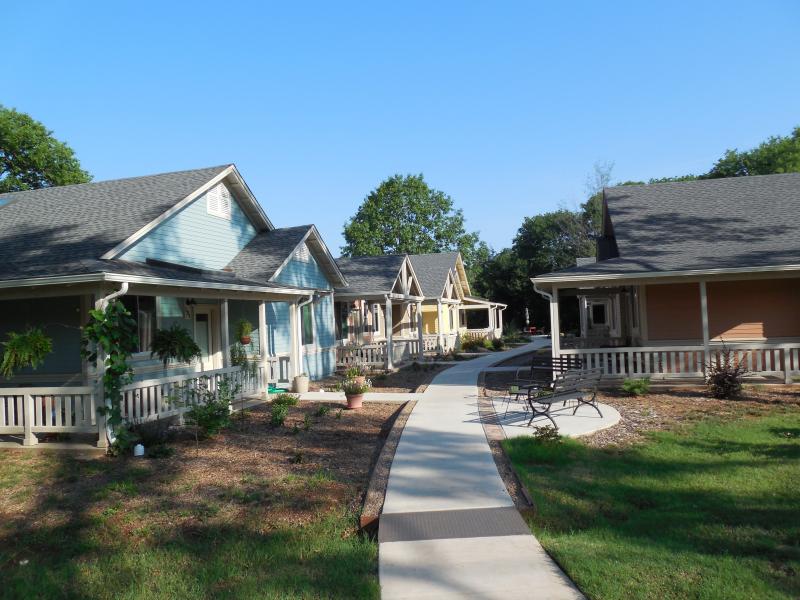 It’s not a return to 1960s idealism, but it could signal a new model for senior living. We’ve talked about “intentional communities” prior, and specifically, a concept known as Cohousing. Now, the idea seems to be catching on as an attractive option for single Boomers.