
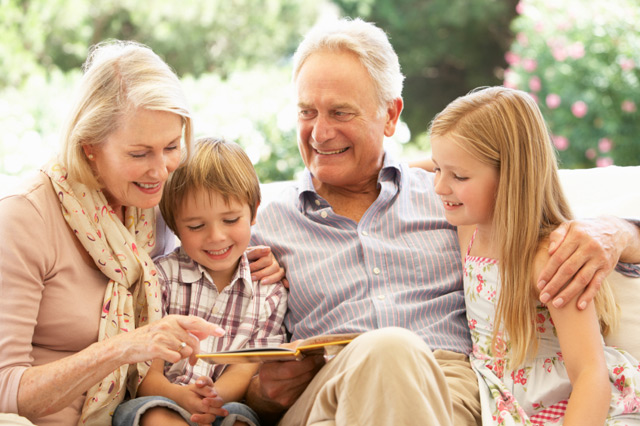
 If you’re a grandparent, you can still play a role in you adult grandchildren’s lives, and as a new study shows, they can help improve your life as well. Researchers have concluded that a strong relationship between grandparents and their adult grandchildren has real, measurable effect on one another’s psychological well-being.
Top-level findings indicated that a close emotional relationship between the generations was associated with fewer symptoms of depression for both. Also, giving tangible support to, or receiving it from grandchildren affected the psychological well-being of grandparents but not their grandchildren. That support, also called “functional solidarity” or “instrumental support,” includes good deeds: rides to the doctor, monetary assistance, help around the house, or simple advice.
The study also supports conventional folk wisdom that if a grandparent gets help but can’t give it, he or she feels badly.
“Grandparents expect to be able to help their grandchildren, even when they are grown, and it’s frustrating and depressing for them to instead be dependent on their grandchildren,” said study co-author Sara M. Moorman, Ph.D.
Methodology included data from the Longitudinal Study of Generations, a survey of 3- and 4-generartion U.S. families that had been collected between 1985 and 2004. Subjects included 376 grandparents with an average age of 77, and 340 grandchildren with an average age of 31.
Moorman also believes the research suggests that extended family members serve important functions in each other’s daily lives throughout adulthood, and that efforts to strengthen families shouldn’t simply focus on families with young children. It also indicates that helping older people remain functionally independent may aid their physical and psychological well-being.
“All people benefit from feeling needed, worthwhile, and independent,” she said. “In other words, leg Granddad write you a check on your birthday, even if he’s on Social Security and you’ve had a job for years.”
Source: American Sociological Association
MARKETING INSIGHT: It’s an interesting study, and it supports the important role of grandchildren as being influencers in their grandparents’ lives – from technology to care options. In many cases, this could be due to the rise in multigenerational households, or simply the grandparents’ desire to stay connected and ahead of the proverbial curve. For grandchildren, it’s a primer to stay in contact, whether the grandparent lives in a CCRC or on their own – in person or via Skype. In any case, marketers need to keep the grandkids in the loop when trying to reach the older contingent.
Regards,
The Varsity Team
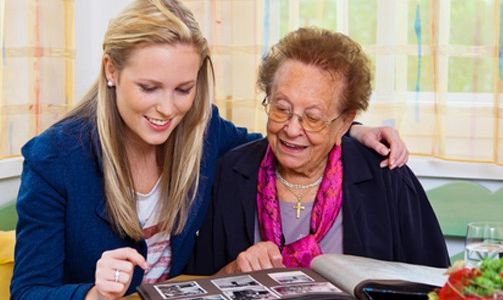 You’ve probably heard someone refer to forgetting a name, date or person’s face as having a “senior moment.” But does testing whether someone recognizes Elvis or George Bush help diagnose rare forms of dementia?
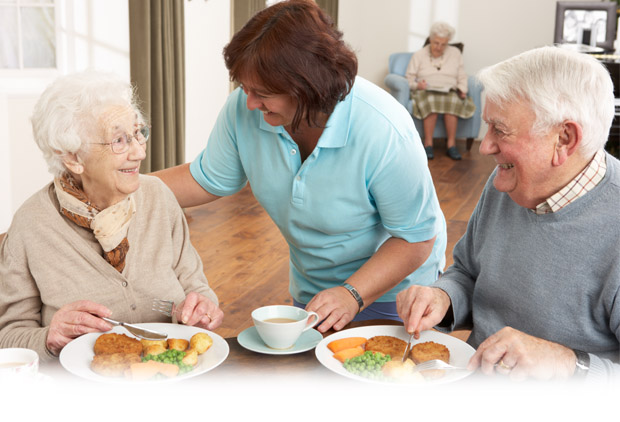 Labor Day is a yearly national tribute to the contributions American workers have made to the strength, prosperity, and well-being of our country. On this Labor Day, we’d like to thank those who are making a difference in the senior care industry, namely in the area of memory care.
 Pharmacy chain
 When most people think of service animals, the seeing eye dog usually comes to mind, and in all fairness, service dogs were primarily trained to serve the vision impaired. But recently, animal therapy is meeting memory support, as dogs are now being trained for dementia assistance, as demonstrated by a
 We’ve seen evidence of how factors such as watching your diet, exercising, and even remaining in the workforce or managing blood sugar appropriately have positive impacts on mental health. Now a recent
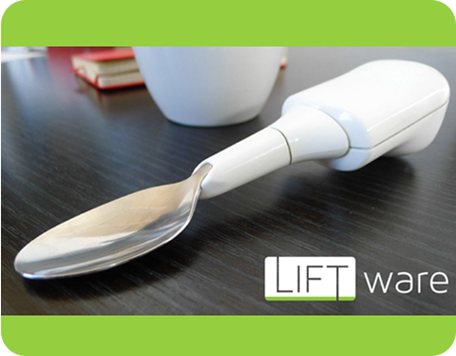 According to the
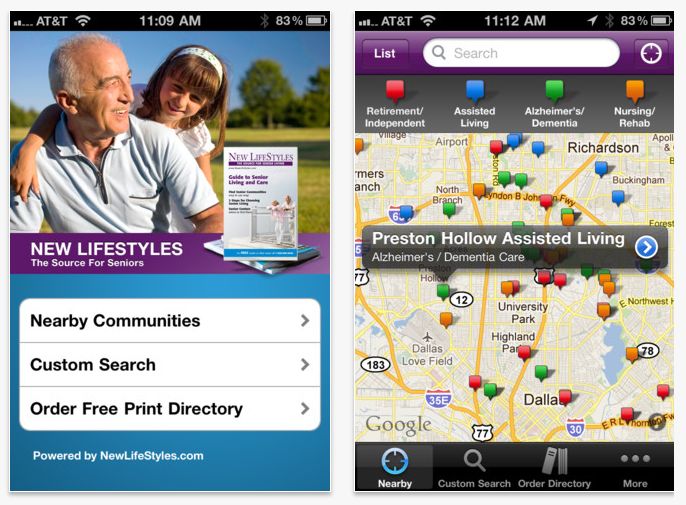 In the past year alone, we’ve seen a number of online research portals dedicated to helping find and review senior care options, and an even larger number of apps dedicated to everything from specialized caregiving to therapy plans. Now, one company is combining the best of both platforms.
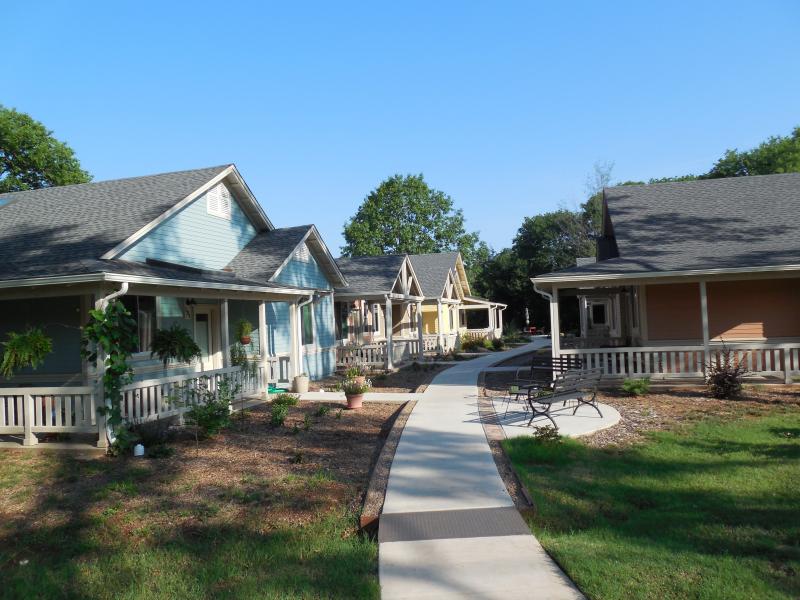 It’s not a return to 1960s idealism, but it could signal a new model for senior living. We’ve talked about “intentional communities” prior, and specifically, a concept known as Cohousing. Now, the idea seems to be catching on as an attractive option for single Boomers.
 It’s probably old news to senior care providers that changing attitudes and trends are slowly but surely shifting independent living to resemble assisted living, and assisted to skilled nursing, forcing services to evolve from lifestyle to healthcare.