
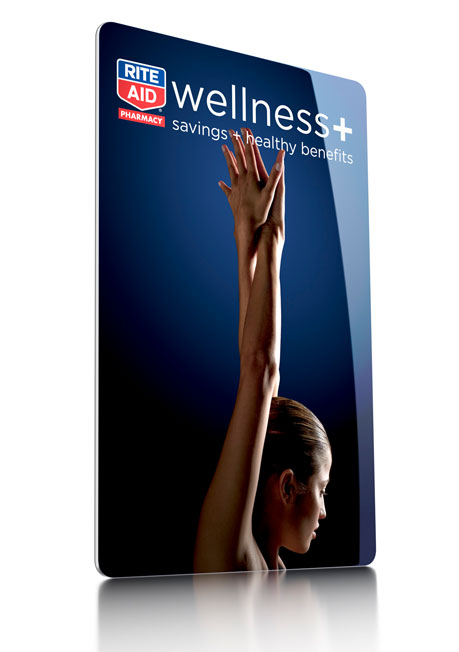
 Pharmacy chain Rite Aid recently launched the very first drugstore loyalty program for consumers age 65 and older, appropriately named wellness65+.
wellness65+ builds on the company’s successful wellness+, a free customer loyalty program. wellness65+ includes one special savings-day per month, and 24/7 access to a pharmacist. Members who purchase more also become eligible for greater discounts and additional wellness benefits, such as a gym membership.
The integrated marketing campaign features interesting clips of seniors who engaged actively in various activities such as water-fighting with grandchildren and swimming laps. A full-page ad running in AARP The Magazine shows an older woman on an amusement park ride with a child, with headline copy that reads, “Here’s to suddenly remembering where laugh lines come from. Feeling and living your best. Rite Aid is committed to helping you realize it, with exclusive, new benefits for seniors.”
Rite Aid also launched a 30-city bus tour to promote the program. At each stop, the company will partner with local senior organizations to host community wellness events, including free health screenings, seminars and pharmacist consultations.
Is it working? The company reports that wellness65+ had more than 25 million active members as of the end of the first quarter of the current fiscal year. Those program members also generated 77% of non-prescription sales and 70% of prescriptions filled in the same time period.
MARKETING INSIGHT: This program was probably a reaction to competition from other chains and large retailers like Walmart and Target, who offer discount prescription programs. But Rite Aid obviously sees the benefit of targeting Boomers and seniors – no doubt a large portion of their existing customer base.
Along with this loyalty program, perhaps the next step is to use customer information to develop mobile marketing plans for pharmaceutical products and prescription management, for example – something that would appeal to tech-savvy Boomers. Increasing the size of its senior patient base will also allow Rite Aid to provide additional services (like immunization and medication therapy management) to a demographic that will benefit the most from those services.
Regards,
The Varsity Team
 When most people think of service animals, the seeing eye dog usually comes to mind, and in all fairness, service dogs were primarily trained to serve the vision impaired. But recently, animal therapy is meeting memory support, as dogs are now being trained for dementia assistance, as demonstrated by a
  We’ve seen evidence of how factors such as watching your diet, exercising, and even remaining in the workforce or managing blood sugar appropriately have positive impacts on mental health. Now a recent
  According to the
 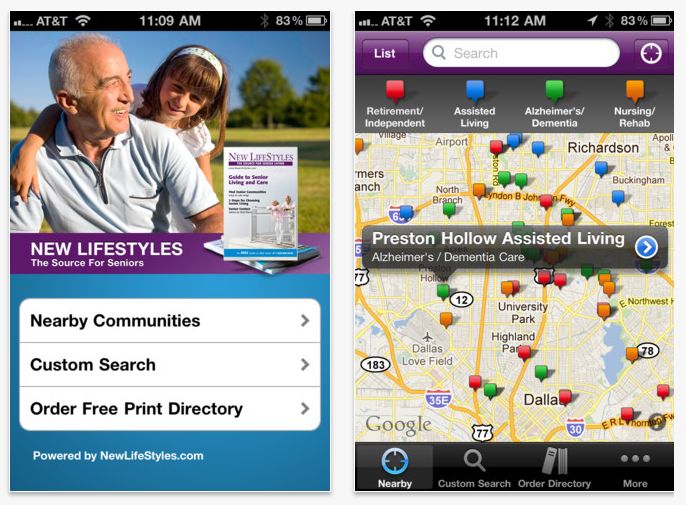 In the past year alone, we’ve seen a number of online research portals dedicated to helping find and review senior care options, and an even larger number of apps dedicated to everything from specialized caregiving to therapy plans. Now, one company is combining the best of both platforms.
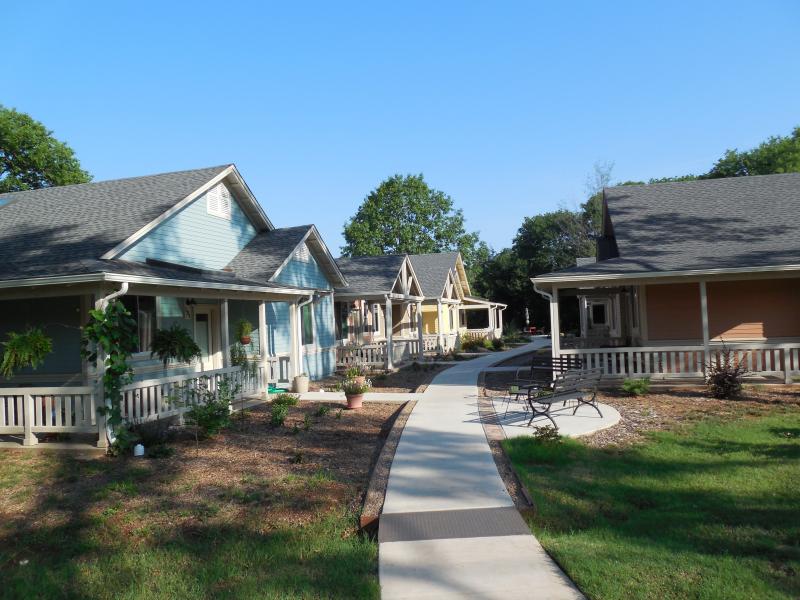 It’s not a return to 1960s idealism, but it could signal a new model for senior living. We’ve talked about “intentional communities” prior, and specifically, a concept known as Cohousing. Now, the idea seems to be catching on as an attractive option for single Boomers.
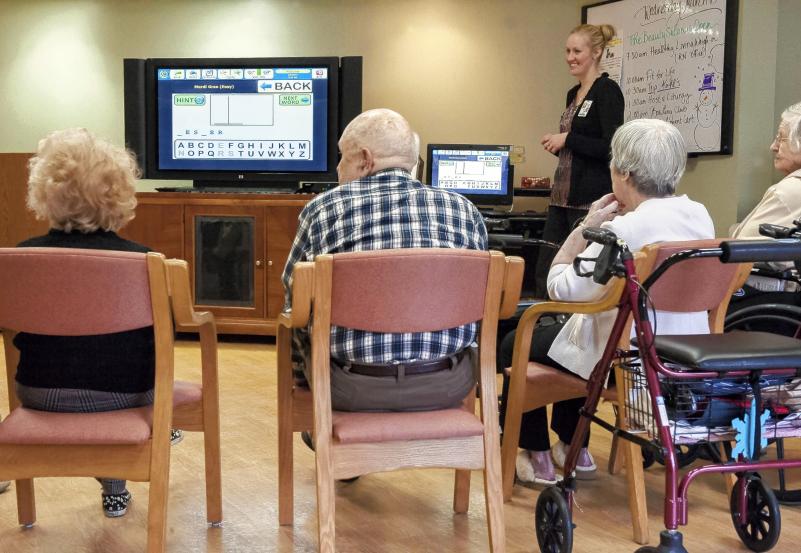 It’s probably old news to senior care providers that changing attitudes and trends are slowly but surely shifting independent living to resemble assisted living, and assisted to skilled nursing, forcing services to evolve from lifestyle to healthcare.
 Here’s good news for Boomers and seniors who like to snack: Apparently, you’re increasingly looking for items that help you stay healthy and active – something we uncovered in our own research, and now verified by the food manufacturing industry.
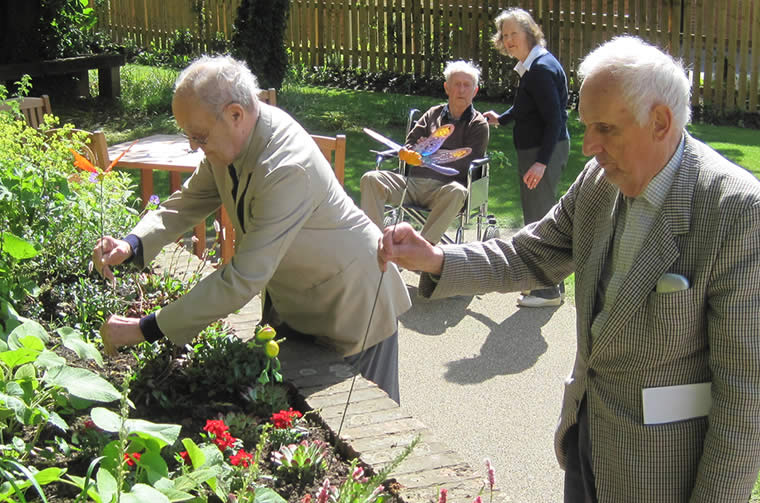 Although there have been great strides in the study and treatment of memory care, the issue of the care environment itself is often criticized for lacking standardization. But a recent CNN
 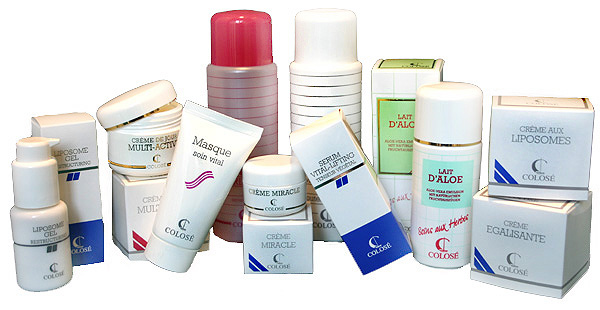 Less than two years ago, analysts were predicting the market for anti-aging products, services and innovations would grow to more than $114 billion, thanks to increasing demand from Boomers and seniors.