
The future of senior living may depend as much on what happens beyond a community’s walls as what happens inside them. As providers look to serve more older adults and strengthen their role in the broader community, many are rethinking how campuses connect with the neighborhoods around them. That means creating places that encourage everyday interaction, celebrate local identity and make senior living a more visible, welcoming part of community life.
Those ideas were the focus when Max Winters, Senior Designer at RLPS Architects, joined Varsity’s weekly Roundtable to explore how thoughtful design can strengthen community connections, support healthier aging and help senior living organizations build meaningful partnerships beyond their campuses. Below are a few takeaways from his discussion.
DESIGN COMMUNITIES, NOT JUST CAMPUSES
The future of senior living isn’t about recreating everything behind campus walls. The strongest communities connect residents to the neighborhoods around them, strengthening both quality of life and the communities they serve.
SOCIAL CONNECTION HAPPENS IN EVERYDAY MOMENTS
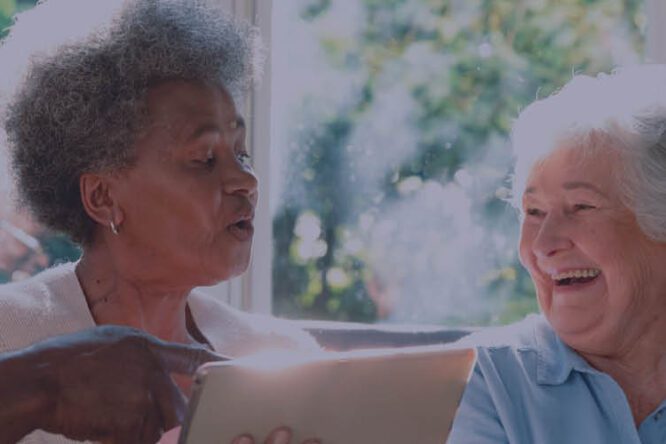
Small interactions like a conversation with a barista, seeing familiar faces or gathering in welcoming public spaces play a meaningful role in healthy aging. Designing for those everyday connections can improve both physical and cognitive well-being.
BUILD PLACES THAT WELCOME EVERYONE
Mixed-use developments, public restaurants, shared gathering spaces and adaptive reuse projects create natural opportunities for residents and neighbors to interact, making senior living an active part of the broader community instead of a destination apart from it.
A STRONG SENSE OF PLACE CREATES STRONGER PARTNERSHIPS
Communities with a clear identity rooted in their history, culture and local character are better positioned to build partnerships, attract visitors and create experiences that feel authentic rather than generic.
CULTURE SHOULD LEAD, BUILDINGS SHOULD FOLLOW
Lasting transformation begins with programming, operations and organizational culture. As communities evolve, the need for new or redesigned spaces becomes much clearer—and much more effective.
VARSITY’S FRESH PERSPECTIVE
The future of senior living isn’t about building bigger campuses. It’s about building stronger connections. Communities that open their doors to neighbors, celebrate their local identity and create opportunities for everyday interaction will be better positioned to attract future residents and strengthen the communities they serve.
For sales and marketing leaders, that starts with thinking beyond occupancy. Every partnership, event and shared experience is an opportunity to reinforce your community’s role as a vibrant, connected part of the neighborhood.